OIL, GAS AND WATER SYSTEMS AND EQUIPMENT
Discipline: Production and Facilities engineering
Level: Basic/Intermediate
Duration: 5 days
Instructor: Jairo Balcacer
Purpose
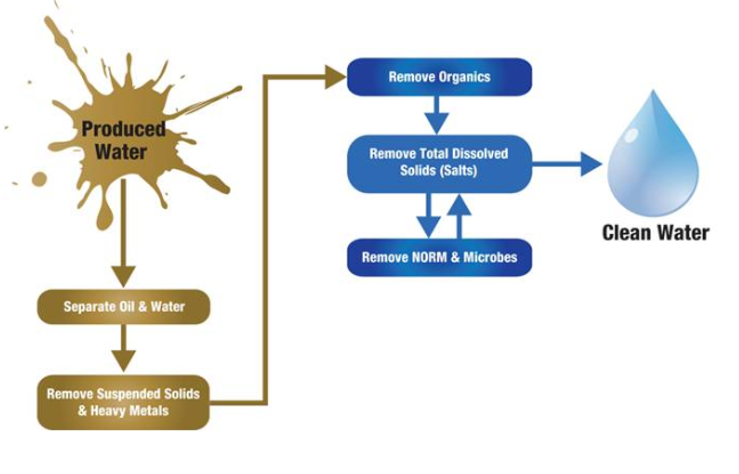
This course provides an understanding of two and three-phase oil separation, design procedures for sizing them, methods for treating oil, various processes used to stabilize a crude oil condensate stream. It also presents reasons to remove acid components from the natural gas, conventional TEG dehydration, a method to size and design the glycol dehydration equipment, guidelines to select gas compressor and piping system. Finally, considerations about the equipment used to separate, treat, collected and disposed of wastewater along with procedures for designing a water treating system and its components., as well as equipment and sizing for removing solids and dissolved asses from produced water.
Designed
This course is addressed to production and facilities engineers involved in the oil, gas and water production operations.
You will learn
- The equipment description for oil, gas and water separation and treatment
- Basis of designing horizontal and vertical, two and three-phase oil separators
- Required treatments for the produced oil, gas and water
- Design examples for acid gas removal and glycol dehydration processes
- Fundamental criteria and design example of reciprocating gas compressors
- Equipment description and design procedure for treating oil and removing solids/dissolved gases from produced water
Content
Two Phase Separators for Oil
- Equipment description
- Selection criteria
- Vessels internals
- Potential operating problems
- Separator design theory
- Horizontal separator design and example
- Vertical separator design and example
Three Phase Separators for Oil
- Equipment description
- Design theory
- Horizontal separator design and example
- Vertical separator design and example
Oil Treaters
- Equipment description
- Design procedure
- Vertical treater design and example
Desalting
- Theory
- Single and two stage desalting
- Design procedure
- Single, two-stage, multi-stage desalter design and examples
Crude Stabilization
- Theory and equipment description
- Multistage separation design example
- Crude stabilization design examples
Acid Gas Removal
- General process description
- Solid bell processes
- Iron sponge design procedure and examples
Glycol Dehydration
- Hydrate formation
- Dew point depression
- Glycol properties
- Equipment and design procedure and example
- Unit operating problems and troubleshooting
Reciprocating Compressors
- General considerations
- Performance considerations
- Process piping considerations
- Fundamental design
- Specifications and selecting compressors
- Design example
Treating Oil from Produced Water
- Theory
- Equipment description
- Design procedure
Removing Solids and Dissolved Gases from Produced Water
- Theory of solids removal
- Description of solids removal equipment
- Description of gas removal equipment
- Design procedure and example, soli and gas removal
Calculation Resources:
- MS Excel spreadsheets
Text and Consulting books:
- “Oil and Gas Separators” API Spec 123, ANSI/API Spec 123-1992
- “Surface Production Operations, Vol 1” Design of Oil Handling Systems and Facilities, Gulf PublishingCompany, 1989, Volume 1, Second Edition
- “Surface Production Operations, Vol 2” Design of Gas Handling Systems and Facilities, Gulf Publishing Company, 1989, Volume 2, Second Edition
Discipline: Production and Facilities engineering
Level: Basic/Intermediate
Duration: 5 days
Instructor: Jairo Balcacer